
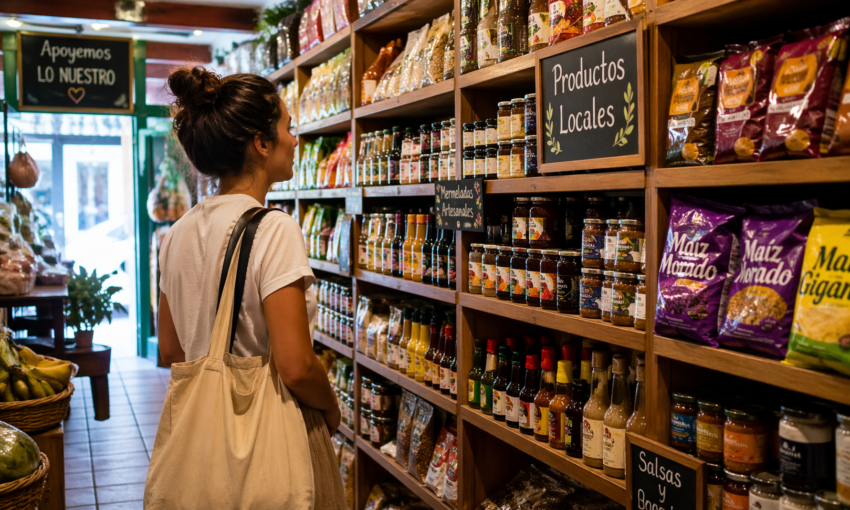
Travel 2026 will be moving towards more down-to-earth, purposeful things instead of fancy meals and sightseeing. Grocery store tourism and hyperlocal food travel are becoming a formidable trend in which individuals who travel can venture into the daily food places in order to learn more about culture. People do not want to see the lists of dishes offered in restaurants but in reality they want to see what locals eat, purchase, and prepare in their everyday lives.
What is Grocery Store Tourism?
Grocery store tourism is a type of tourism whereby local supermarkets, small shops and neighborhood markets are visited as a part of tourism. These locations offer a gritty and genuine experience of what local residents live like by their food preferences, prices, food sources and consumption patterns. Not only is it about purchasing food but also it is about appreciating culture in its purest form.
Why Grocery Store Tourism is the Trend in 2026.
- Tourists are in search of non-touristy experiences.
- The increase in restaurant expenses is edging out cheaper options.
- Traveling in real-life is being marketed through social media.
- Habits provide people with a more in-depth cultural knowledge.
- Sustainable travel propels local products and businesses.
Hyperlocal Food Travel: a more in-depth Culinary Adventure.
Hyperlocal food travel is not a grocery store type of travel but is focused on unearthing food that is highly connected to a particular area. It entails local suppliers, seasonal food, customary ways of cooking and community-based food practices. The trend enables the travelling people to identify with the culture of a given place by consuming their food.
The most important aspects of Hyperlocal Food Travel.
- Local ingredients and recipes.
- Food patterns on the basis of seasons and climate.
- Food vendors and family-owned food businesses.
- Stories about dishes and cooking techniques.
- Community-driven food experiences
The Reflection of the Local Culture in Groceries Stores.
Grocery stores are a reflection of day-to-day life in any destination. Out of the kind of grains that are sold, the assortment of snacks and ready-made food, each of them is based on the taste preferences of the locals and the trends of their lifestyle. All that is needed is to observe what fills the shelves and what people are purchasing, as traveling people can learn the culture of a particular region.
Fresh produce prevails in most regions, indicating a favor towards homemade meals whereas processed or ready-made foods dominate in urban areas, which are fast-paced. Economic and cultural clues that might be overlooked with traditional tourism are found even in the packaging styles, the portion sizes and the pricing strategies.
The Emergence of Influence of Social Media.
The social media sites have been at the forefront in popularizing the concept of grocery store tourism. The traveler and content creators are currently posting the real, raw experiences over luxury-driven content. Videos about local snacks, tours of supermarkets and foods found in the street are getting unimaginable attention.
This has changed the travel content to being more relatable and inspiring. It leads individuals to visit places in a more authentic manner, centered around daily life and not on edited attractions.
Low End Travel Equals Authenticity.
Affordability is one of the biggest factors that are driving this trend. Dining out to have all meals may be costly, particularly in tourist spots. Local markets and grocery stores are a good alternative since they have a cost-effective solution without sacrificing on experience.
Tourists are able to sample a great diversity of cuisine at reduced costs, prepare their own, or have pre-made local cuisine. This will save money and result in a more personalized and flexible traveling experience.
Supporting Local Economies and Sustainability.
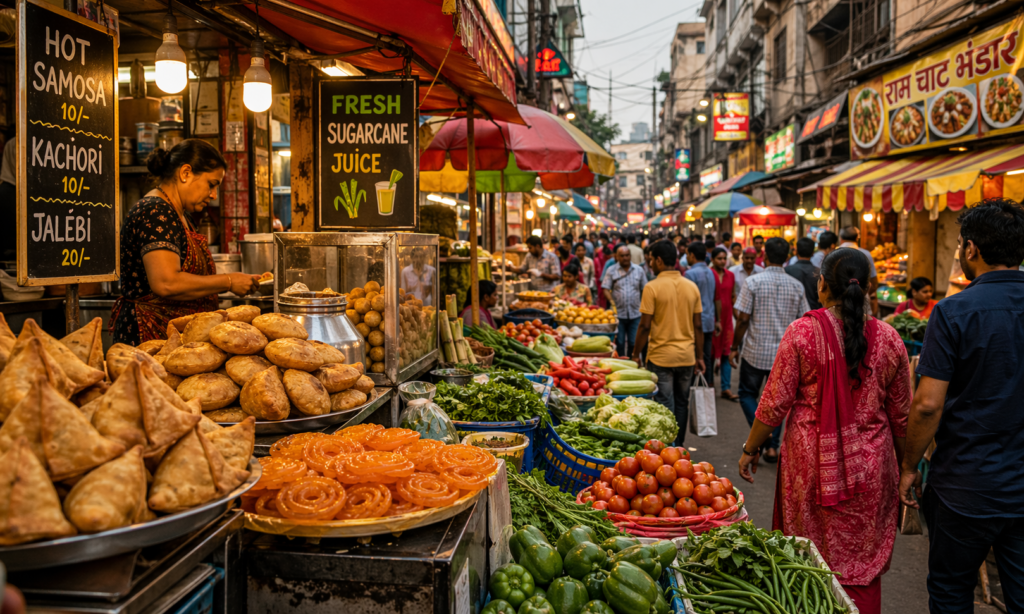
Grocery tourism and hyper local food tourism assist local communities directly. Travelers do not spend money on such global chains but they help small traders, farmers and local producers. This assists in equalizing the income of tourism.
Besides, purchasing locally produced goods will lessen the effects of transportation and lead to sustainable consumption. Less packaging is also used in many local markets, which also help to promote environmentally friendly traveling.
Obstacles Travelers need to know about.
Although this trend is a great way to experience life, it is associated with some challenges. Communication may be a problem due to language especially where small markets are involved. It might involve some additional effort to comprehend the unknown ingredients or food labels.
Hygiene issues may also arise in certain locations and tourists have to be concerned with cultural sensitivity, particularly when recording images or videos. It is respectful and considerate, guaranteeing that both the travelers and locals have a pleasant experience.
The Real Way to Live this Trend.
To have the most out of grocery store tourism, visitors ought to leave behind big box stores and visit small local stores. To improve the experience, it is possible to observe local purchasing patterns, ask a few questions, and taste foods that are foreign.
Another way of immersion is by cooking the local food or taking part in community food events. The trick is to keep curious, open-minded and respectful when trying new food cultures.
Conclusion
In 2026, grocery store tourism and hyperlocal food travel are transforming the way individuals travel around the world. The trend alters the emphasis on curated experiences to real-life cultural connections. Travelers get a glimpse into something much more than the conventional tourism by venturing into the food areas of their daily lives.
As this movement ever-expands, it brings to the fore a simple fact: the best way to know a place is to know how its people eat and shop and live in their day to day activities.
FAQs
1. What does grocery store tourism mean?
Grocery store tourism refers to the act of going to the local food stores and markets to get a taste of day-to-day culture in the form of food.
2. What is the difference with hyper local food travel?
It concentrates on the highly regional and community based food experiences as opposed to mainstream food.
3. Is this kind of traveling cost-effective?
Yes, it enables tourists to have money left and experience a variety of local cuisine.
4. Are the local grocery stores safe to eat?
The majority of them are safe, although it is important to check on freshness and hygiene.
5. What is the reason why this trend is increasing at a high rate?
Due to the fact that tourists want genuine, cheap and experiential experiences.