
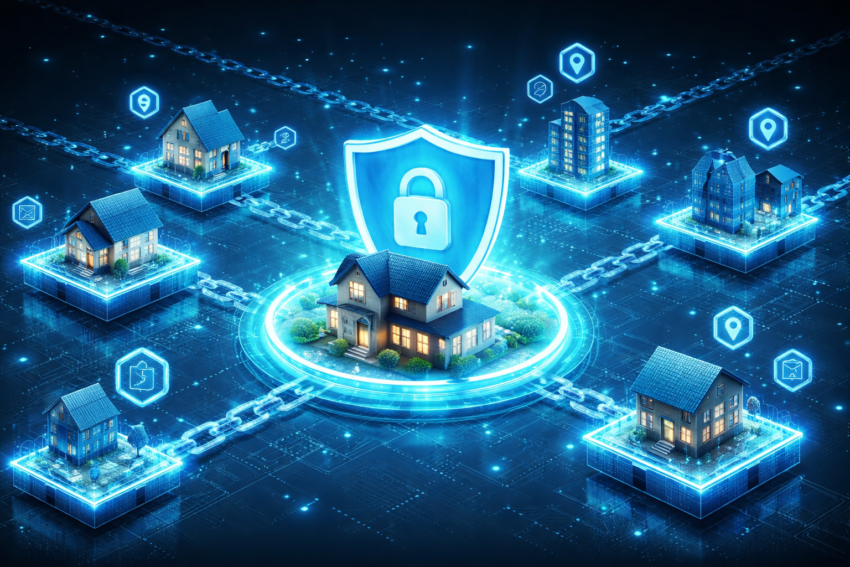
The real estate sector is a traditional industry with the highest barriers to entry and the slowest rates of transaction, and the emergence of blockchain technology is changing the industry significantly. Real estate tokenization is regarded as one of the most innovative ideas that have been developed as a result of this change. This method enables the physical properties to be digitized to make property investment more convenient, liquid, and clear. With global investors seeking intelligent and more adaptable methods of investing, the concept of tokenization is quickly emerging as a revolution in the property market.
What is Real Estate tokenization?
The concept of turning the right to ownership of property into a token on the basis of blockchain technology is called real estate tokenization. These tokens will also symbolize a fraction of ownership, in which investors will be able to purchase a small share of a property, as opposed to owning the whole property.
How It Works
- A tokenization is arranged by legally organizing a property.
- The ownership is separated into several digital tokens.
- The tokens are registered on a blockchain ledger.
- These tokens can be traded, bought or sold digitally by investors.
This will eliminate the conventional middlemen and streamline property deals making the system more effective and safe.
The main Advantages of Real Estate Tokenization.
1. Fractional Ownership
The tokenization enables the investors to invest less capital in the real estate market. People need not invest lakhs or crores of money to invest in the premium properties, but rather can invest little money and still have exposure to the premium property.
2. Increased Liquidity
Real estate is normally an illiquid asset. The solution to this is tokenization, which allows purchasing and selling of shares of property, as is the case with stocks on a market.
3. Transparency and Security
The blockchain technology will provide a ledger in which all transactions are recorded in a tamper-free manner. This minimizes investor mistrust and minimizes fraud.
4. Global Accessibility
The investors globally are able to invest in property markets without being restricted by geographical boundaries. This exposes international investment.
5. Reduced Costs
The conventional methods of real estate deals entail the use of brokers, legal charges and administrative expenses. The cost of these is reduced by tokenization, which automates the process of smart contracts.
Function of Blockchain in Property Investment.
Smart Contracts
Smart contracts are automated contracts between purchasers and merchants. These contracts are automatic and they run based on predefined conditions being met and hence it does not delay and minimizes human error.
Decentralization
The network of blockchain is decentralized, that is, there is no authority that runs the system. This lowers the reliance on banks or intermediaries.
Immutable Records
When the information is stored in the blockchain, it cannot be changed. This provides proper records of ownership of property and history of transactions.
Practical uses of tokenized Real Estate.
Commercial Properties
Commercial buildings exceeding in size can be tokenized to enable more than one investor to share its ownership and rental income.
Residential Real Estate
There is a possibility to subdivide apartments and housing projects into tokens, which will make home investment more affordable.
Real Estate Funds
Investment firms have the freedom to establish tokenized funds and users can invest in a diversified property portfolio.
Cross-Border Investments
The investors are able to invest in properties in other nations easily without undertaking elaborate legal processes.
New Opportunities in Property Markets that are tokenized.
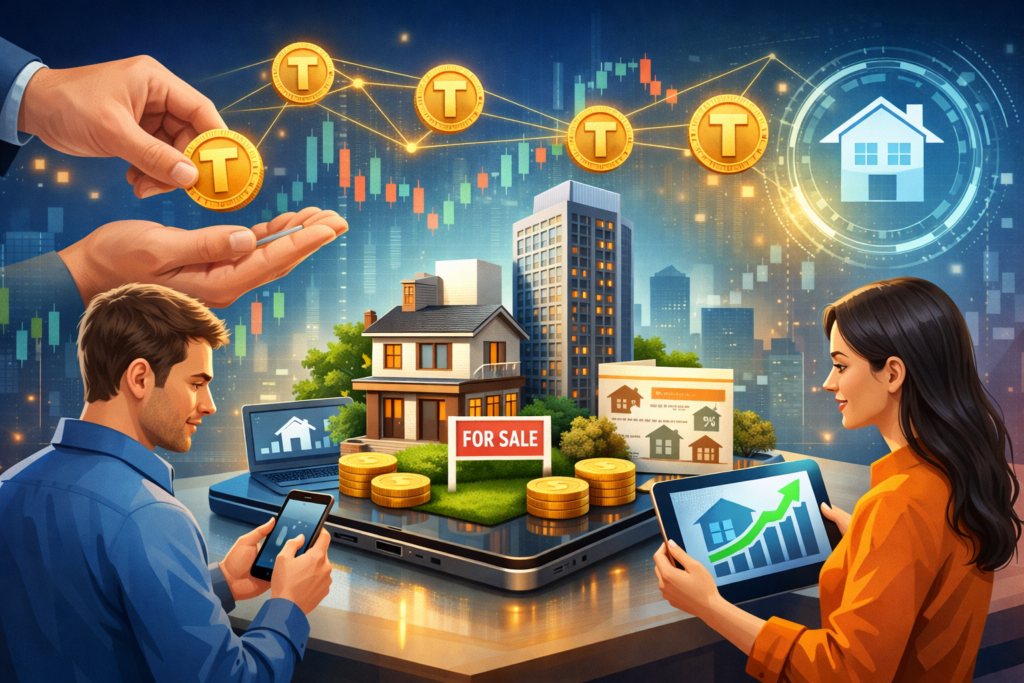
The concept of tokenization is paving the way to a new era of innovation in real estate investment. Crowdfunding sites and property exchanges that are decentralized give investors a chance to invest in areas formerly dominated by large organizations. Proptech and startups are creating ecosystems where consumers can invest, track and trade property assets digitally without any interruption. This conversion is not only making the ownership of real estate democratic on the global scale but also enhancing efficiency.
Outlook of Real Estate Tokenization.
The future of tokenization in real estate is expected to be bright since the use of blockchains is only going to increase. Regulators and governments are slowly developing ways of supporting digital assets. The tokenized real estate might become a popular investment in the future as people become more aware and technology becomes easier to use.
The combination with technologies such as AI and big data will also improve the evaluation of the property and the choice of investments. Digital property markets in which purchasing and selling real estate will be as easy as buying and selling stock online may become a reality in the next few years.
Conclusion
The process of tokenizing real estate is changing the way individuals invest in real estate by rendering it more accessible, transparent, and efficient. Although obstacles are not insignificant, the benefits of the concept are much more significant than the restrictions. With the maturity of blockchain technology, the tokenization of the real estate business will transform the industry and bring in new opportunities to investors across the globe.
FAQs
1. What does tokenization of real estate mean?
The tokenization of real estate is a process of transferring property rights into online-trade tokens.
2. Is the tokenization of real estate safe?
Yes, it is usually safe because blockchain is secure and transparent, though the investors must always verify the credibility of platforms and legal regulations.
3. Do small investors have an opportunity to invest in tokenized real estate?
Yes, it is one of the largest benefits that it gives a small investor the opportunity to own a small piece of large property.
4. What is the difference between tokenized real estate and REITs?
REITs are managed funds that invest in real estate whereas tokenization offers direct ownership of individual properties in the form of digital tokens.
5. What are the risks involved?
Such risks are regulatory uncertainty, market volatility, and unawareness about the blockchain technology.