
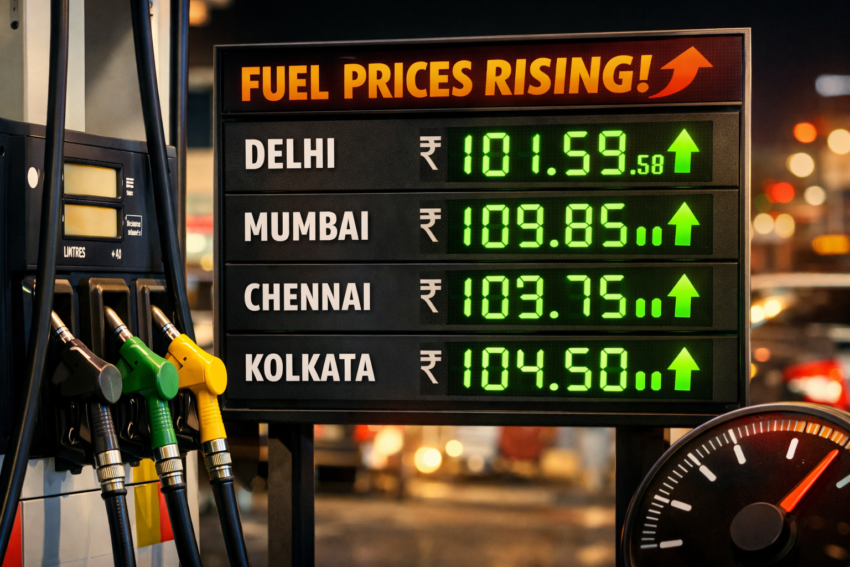
The automobile market in India is changing considerably with the increasing fuel prices, and it has affected the way people consider and buy cars. As petrol and diesel prices continue to rise nationwide, consumers are no longer choosing brands, design, or initial prices only in order to make their purchase choice. Rather, the decision-making process has incorporated long-term affordability, sustainability, and efficiency.
This change can be traced in both urban and semi-urban areas, with the buyers actively considering such options as electric vehicles (EVs) and hybrids. This is a changing trend of thought that is prompting a significant shift in the Indian automotive ecosystem.
Increasing Fuel Cost and Shifting Consumer Psychology.
Increased fuel prices have become an issue that has taken a toll in Indian households. The act of international crude oil prices, local taxes, and logistical issues has led to the increase in the running expenses of the conventional vehicles.
Due to this, the buyers are becoming more analytical in their approach toward the purchase of a car. They are not just targeting the purchase price but are looking at the overall cost of ownership, which comprises fuel costs, maintenance costs, and long-term savings. This trend points at the increasing awareness of financial planning and value-based decision-making.
The Rapid Electric Vehicles Transition.
In 2026, electric vehicles are becoming one of the preferred options for many Indian consumers. Technology and access have made a once niche or premium segment become mainstream.
EVs have become more convenient in everyday life due to the presence of new models of EVs, the improvement in battery performance, and the growth of the charging network. Also, one of the largest contributors towards this change is the lower running cost of electric vehicles as compared to petrol and diesel vehicles.
Government incentives and programs have only made EVs more appealing, and they are also an option for a middle-class buyer.
Cost Analysis: Long-term View.
In contrast to petrol and diesel cars, the disparity between the long-term expenses is very obvious when it comes to electric vehicles. It might seem that petrol cars are cheaper; however, this is not the case, as they consume a lot of fuel, which causes severe costs in the long run. Mileage of a diesel vehicle is usually better, but the cost of upkeep and purchasing is high.
On the other hand, electric cars are often more expensive in the beginning but also considerably cheaper to operate and maintain. In the long term, four to five years later, the total costs of EV owners decrease significantly when compared to conventional cars.
This is one of the major reasons why increased consumers are moving to electric mobility as a result of this long-term cost benefit.
Major Drivers of Car Purchasing Decisions.
Buyer Major Considerations in the Year 2026.
- Raising the cost of fuel and commuting expenses.
- Minor running cost and efficiency of electric cars.
- Tax subsidies and incentives on EVs by the government.
- An increasing supply of charging infrastructure.
- Green consciousness and a liking to cleaner movement.
- Pay attention to the total cost of ownership rather than the initial cost.
All these are indicative of how customers are increasingly becoming practical and visionary in their choices.
Effect in the Automotive Industry.
The automobile manufacturers are compelled to evolve fast due to the changing tastes of consumers. Businesses are adding more electric vehicles to their collections and allocating numerous funds to research and development.
The shift towards hybrid and electric choices and the reduction in the emphasis on diesel vehicles can be observed. Automakers are also working in conjunction with the infrastructure providers to enhance the charging networks in the country.
This change is not just altering the product offerings but also changing the competition in the industry.
Government Policies Surging the Transition.
The Indian government has been very instrumental in promoting the use of electric vehicles. EVs have been made affordable through the policy of subsidies, lower GST rates, and incentives in different schemes.
Moreover, some of the state governments are providing incentives such as free registration, exemptions on road taxes, and assistance in the development of charging infrastructure. Such measures are contributing to the reduction of the disparity between conventional vehicles and their electric equivalents.
With the policy support getting stronger, the shift to electric mobility will further pick up.
Future Projections in the Indian Automobile Market.
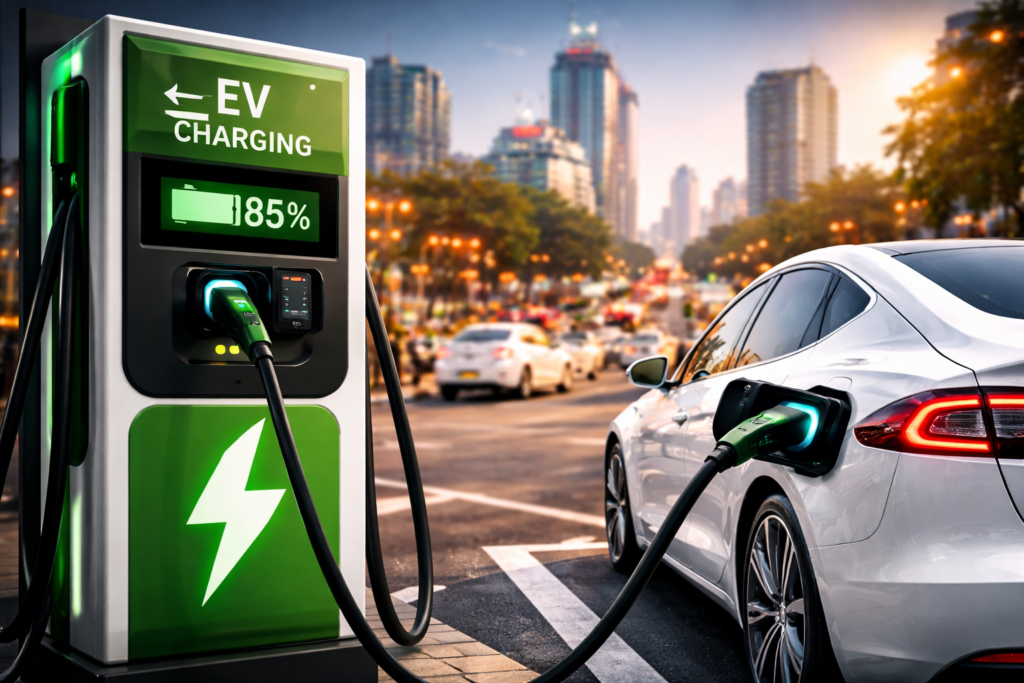
As an indicator of things to come, the impact of increased prices of fuel on the purchase of cars is likely to be more evident. The pressure in regard to fuel efficiency and environmentally friendly vehicles will only increase.
Electric cars will also be more accepted in small towns besides metropolitan ones. Simultaneously, the development of battery technology and charging rates will also make EVs even more viable.
The Indian automotive market is slowly shifting towards a more sustainable and innovation-based future.
Conclusion
The increasing fuel prices in India are serving as a springboard to a significant change in the car purchase behavior. Customers are becoming more conscious, cost-conscious as well as environmentally conscious. This has contributed to an increased preference for electric cars and other effective mobility solutions.
As the industry is continually developing, it will be centered around affordability, sustainability, and value over time. The future of transportation in India is influenced by the choice of buyers today.
FAQs
What is the effect of fuel prices on the purchase of cars?
The cost of fuel is high, and this adds up to the total cost of owning a car, and this forces the buyer to think of another option, such as EVs.
Are EVs indeed cost-efficient in the long term?
Yes, EVs incur cheaper running and maintenance expenses, so they are cheaper in the long run.
Does the EV infrastructure improve in India?
Yes, the number of charging stations is growing at high rates both in the cities and on the highways.
What is the total cost of ownership (TCO)?
TCO will comprise the purchase price, fuel, maintenance, and long-range costs.
Do EVs take over the future market?
EVs will occupy a large portion of the market in the years to come.